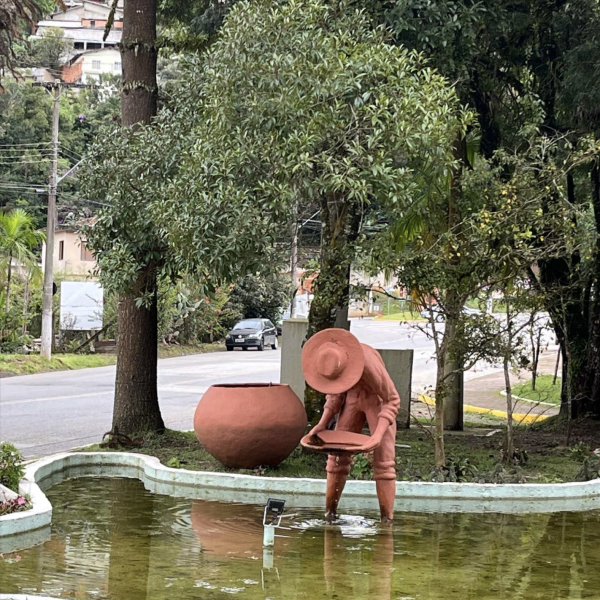
The Challenge: Alto Vale do Ribeira, a region encompassing municipalities such as Apiaí and Itaoca, approximately 330 km from the city of São Paulo, is home to an exceptionally rich cultural heritage rooted in Indigenous, African, and European traditions — reflected in its craft techniques, clog fandango, cuisine, and local folklore.
Pottery, passed down from generation to generation, was for centuries a central part of everyday life and barter in the region. Today, however, fewer than 25 master potters remain across the two municipalities, not all of whom are still active, and there is a real risk that the transmission of this knowledge may be interrupted. At the same time, children and young people are growing up with fragile ties to the identity of the territory they inhabit, while older residents hold invaluable memories that need to be heard before they are lost.
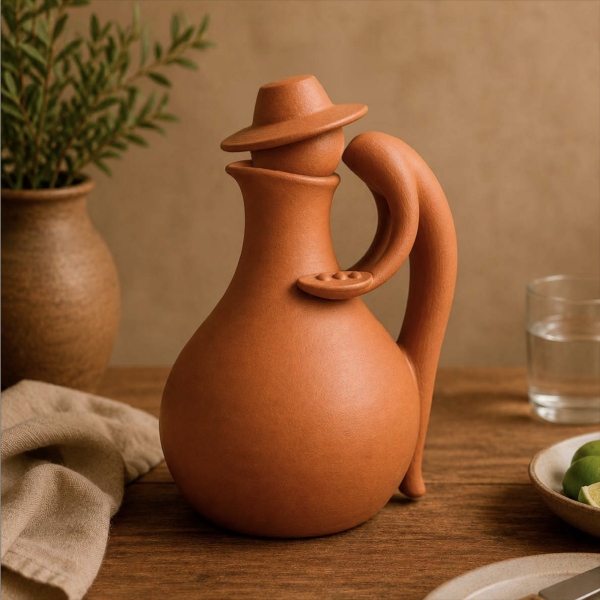
Our Solution: Selected from more than 600 projects submitted to a call for proposals by the São Paulo State Secretariat for Culture, Economy and Creative Industries, Artesanato Identitário do Alto Vale do Ribeira was born from a partnership between Garimpo de Soluções, including designer Carla Takushi, and Grupo Arte Looze with a clear purpose: to provide highly skilled artisans with an authentic iconographic repertoire capable of differentiating their products and increasing their market value.
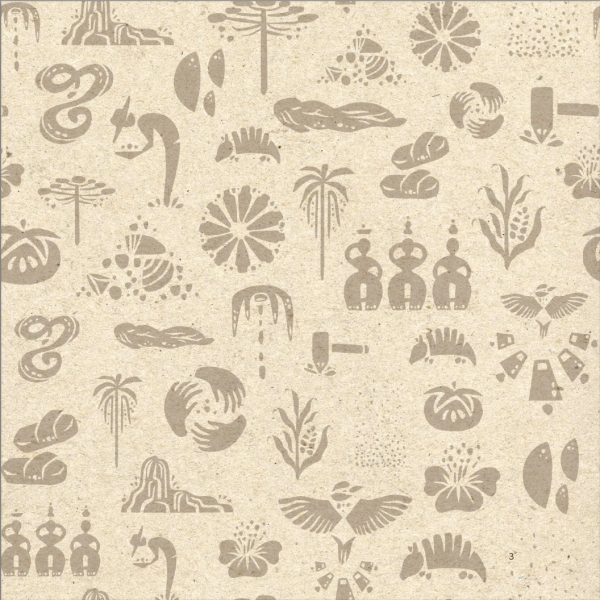
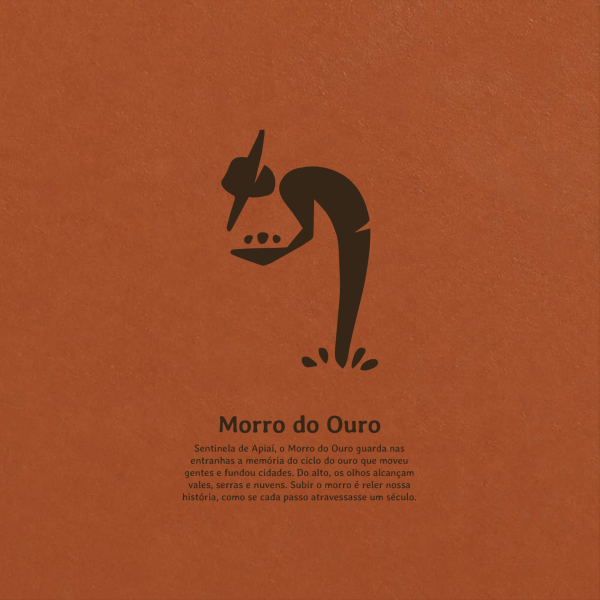
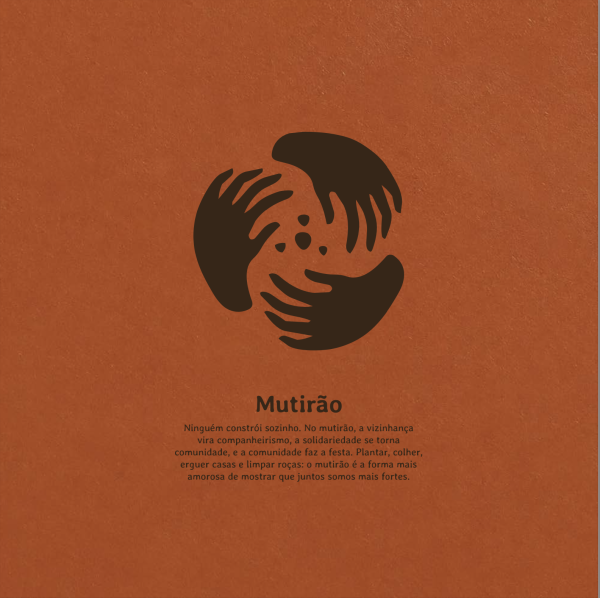
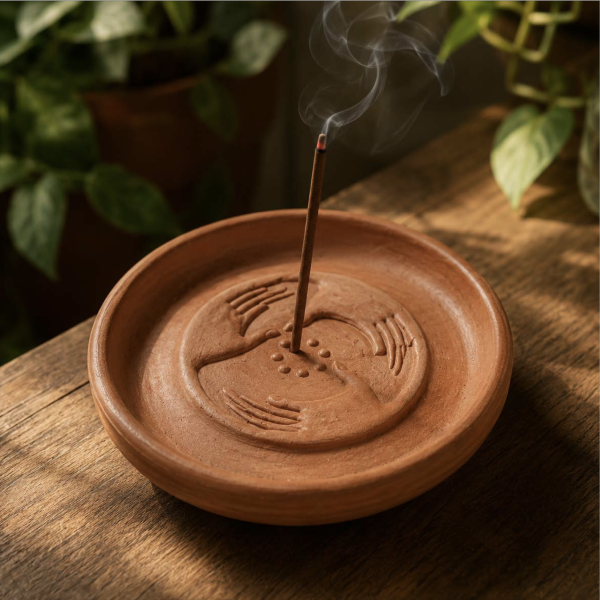
The project concept, as well as the iconography and editorial work, was developed in partnership with Garimpo de Soluções. It represents an investment in the creative economy and in strengthening the cultural identity of the territory — grounded in the recognition that these master artisans have the skills, the talent, and something meaningful to share with the world. To achieve this, the project conducts an iconographic survey of the symbols most representative of everyday life in the region, transforming them into graphic icons that form the basis of workshops with artisans, as well as gatherings with children, older residents, and artists working across different disciplines.
The experiences generated throughout the project were compiled into a book — distributed free of charge to schools, libraries, artisans, and institutions — bringing together the iconography and examples of its application to handcrafted pieces. The project took place between March and September 2026, culminating in a launch event at Casa do Artesão de Apiaí.